
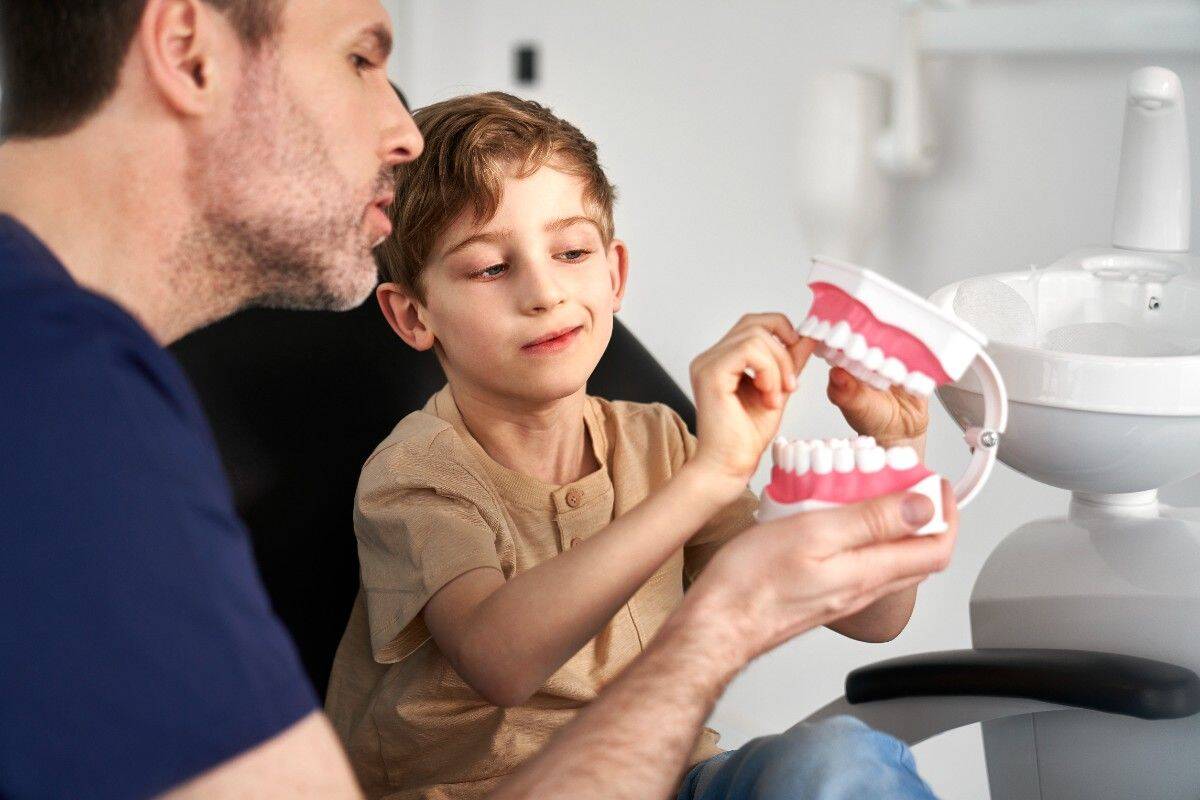
A family dentist in Spring, TX may help children, adults, and seniors manage dental exams, cleanings, cavity checks, gum care, tooth pain, restorations, missing teeth, implants, and preventive planning. Families in Spring often need dental guidance that changes with age, habits, medical history, and oral health risks. A dental visit can identify what is healthy, what needs monitoring, and what treatment may be recommended after evaluation.
A family’s dental needs rarely look the same from person to person. One child may need help brushing back teeth. A parent may have a cracked filling. A teen may be dealing with sports-related tooth protection. An older adult may be thinking about replacing missing teeth. In Spring, TX, family dental care can help different ages receive guidance that fits their stage of life.
A family dentist in Spring, TX may support preventive care, restorative needs, gum health, tooth pain evaluation, and long-term dental planning. The goal is not to treat every patient with the same checklist. Age, medical history, oral hygiene, diet, dental anxiety, existing restorations, and tooth replacement needs all influence care. A thoughtful family dental visit helps patients understand what is happening in the mouth and what next steps may protect oral health.
Children Need Prevention They Can Understand
Children are still learning how to care for their teeth. They may rush brushing, miss the back molars, swallow toothpaste, or need help flossing.
Dental visits can help identify cavity risk, tooth development, gum health, and brushing challenges. Parents can ask about snacks, fluoride, thumb-sucking, loose teeth, and when adult teeth should appear.
The goal is to build habits early. A child who understands why brushing matters may feel more comfortable with dental visits and home care.
Teens Bring New Dental Risks
Teenagers may have different concerns. Sports, busy schedules, energy drinks, frequent snacking, orthodontic treatment, and inconsistent flossing can affect their teeth and gums.
A teen may have wisdom tooth questions, tooth sensitivity, enamel wear, gum inflammation, or a chipped tooth. Dental visits can help connect daily habits to long-term oral health in a way that feels practical.
Mouthguards may also be discussed for sports. If orthodontic appliances are present, cleaning around brackets or trays becomes especially important.
Adults Often Need Both Prevention and Repair
Adult dental care can involve cleanings, gum checks, cavity treatment, crowns, fillings, cracked tooth evaluation, cosmetic questions, or tooth pain assessment. Work, family responsibilities, stress, and delayed visits can all influence dental needs.
Clenching and grinding may contribute to worn teeth, jaw soreness, or chipped edges. Dry mouth from medications can raise cavity risk. Old fillings may crack or leak over time.
At Springwoods Village Dental, adults may receive guidance based on symptoms, oral health history, and what the exam shows. This helps treatment decisions feel more organized.
Older Adults May Need More Maintenance
Aging does not mean dental problems are unavoidable, but oral health needs can change. Older adults may have crowns, bridges, implants, dentures, gum recession, dry mouth, or medication-related changes.
Root surfaces may become more exposed as gum recede. Dry mouths can make cavities more likely. Dentures may loosen as the mouth changes. Implants and crowns need monitoring.
Family dental care can help older adults maintain chewing comfort, gum health, and oral tissue health while checking existing dental work.
Cleanings Are More Than Polishing Teeth
Professional cleanings remove plaque and tartar that brushes cannot fully reach. They also give the dental team a chance to check gum health, inflammation, and areas that are missing at home.
Patients with healthy gums may need routine cleaning. Patients with gum disease or higher risk may need a different maintenance schedule.
A cleaning visit can also help identify early concerns before they become painful. Prevention is often easier than repairing advanced damage.
Tooth Pain Needs a Clear Diagnosis
Tooth pain may come from a cavity, cracked tooth, gum infection, sinus pressure, grinding, bite trauma, or nerve inflammation. The location of pain does not always reveal the exact tooth involved.
A dental exam may include bite checks, temperature testing, gum evaluation, and X-rays when needed. The dentist may recommend a filling, crown, root canal treatment, gum care, extraction, or monitoring depending on the diagnosis.
If pain is severe, swelling is present, or trauma occurs; urgent care may be needed.
Emergency Questions Can Affect the Whole Family
Families may face sudden dental problems, including broken teeth, knocked-out teeth, swelling, lost fillings, or severe pain. An emergency dentist Tomball, TX may help patients who need urgent evaluation for serious symptoms.
Parents should seek prompt care for children with dental trauma, facial swelling, uncontrolled bleeding, or severe tooth pain. Adults should not ignore swelling, fever, or pain that worsens.
Emergency visits often focus on identifying the cause and stabilizing the problem. Follow-up care may be needed after the urgent concern is managed.
Missing Teeth May Need Long-Term Planning
Tooth loss can affect chewing, speech, appearance, and bite balance. Family dental care may include discussing replacement options when teeth are missing or cannot be saved.
Dental implants Tomball, TX may be one option for suitable patients after evaluation of bone support, gum health, medical history, and bite forces. Other options may include bridges or removable appliances.
The right tooth replacement choice depends on the number of missing teeth, oral health, comfort goals, and maintenance needs. A family dentist can help patients compare choices clearly.
Why Dental Records Matter Over Time
Dental care becomes more useful when records show changes over time. X-rays, gum measurements, photos, previous restorations, tooth wear, and past treatment help guide future recommendations.
A small crack may be monitored before it needs treatment. Gum changes can be compared from visit to visit. A filling may be checked for wear before it fails.
This long-term view helps patients understand why a dentist recommends treatment now or continued monitoring.
What Family Dental Care May Include
Family dental care may support many needs across different ages.
It may include:
Dental exams
Cleanings
- Cavity checks
- Gum health evaluation
- Children’s brushing guidance
- Tooth pain diagnosis
- Fillings and crowns
- Emergency evaluations
- Implant discussions
- Denture or bridge planning
- Oral tissue checks
- Home care guidance
Treatment planning should be based on each patient’s mouth, not a one-size schedule.
What to Expect During a Family Dental Visit
The visit may begin with medical history, medications, allergies, symptoms, dental concerns, and home care habits. Patients should mention bleeding gums, dry mouth, tooth sensitivity, jaw pain, loose dental work, or changes in chewing.
The dentist may examine the teeth, gums, bites, oral tissues, and existing restorations. Cleanings and X-rays may be recommended based on age, risk, symptoms, and dental history.
After the exam, the patient should understand what looks healthy, what needs monitoring, and what treatment may be recommended. Clear explanations help families make informed choices.
How to Support Oral Health at Home
Good home care supports every dental visit. Brushing twice daily, cleaning between teeth, limiting frequent sugary snacks, drinking water, and wearing recommended mouthguards can all help.
Children may need brushing help until they develop enough skill. Teens may need reminders. Adults may need special tools for crowns, bridges, implants, or tight spaces.
Small daily habits can reduce plaque, gum irritation, and cavity risk. Dental visits work best when paired with consistent home care.
Benefits of Family Dentistry Over Time
A family dental approach may help with:
- Early prevention for children
- Guidance for teens
- Adult restorative care
- Gum health monitoring
- Senior oral health support
- Emergency evaluation
- Tooth replacement planning
- Tracking dental changes
- Coordinating care across ages
- Building comfort with routine visits
- The value comes from care that changes as the patient changes.
Local Patient Review
“Our family had different concerns at one visit, including cleaning, tooth sensitivity, and a question about replacing a missing tooth. Each concern was explained clearly.”
Care That Fits Each Stage of Life
Dental needs shift from childhood through adulthood and into later years. Families in Spring, TX can visit Springwoods Village Dental for preventive care, urgent concerns, restorative planning, and guidance that supports long-term oral health.
Frequently Asked Questions
What does a family dentist in Spring, TX provide?
A family dentist may provide exams, cleanings, cavity care, gum checks, tooth pain evaluation, restorations, and preventive guidance.
Can one dental office care for children and adults?
Yes, family dental care may support different ages. Each patient still needs care based on their own oral health and comfort.
How often should families visit the dentist?
Many patients benefit from visits about every six months, but some need a different schedule due to gum disease, cavities, or restorations.
What dental symptoms should not wait?
Severe pain, swelling, trauma, bleeding, fever, a broken tooth, or a knocked-out tooth should be checked promptly.
Can family dental care include implants?
Implants may be discussed for suitable patients with missing teeth. Bone, gums, medical history, and bite must be evaluated first.
Do children need dental visits if they have baby teeth?
Yes, baby teeth help with chewing, speech, spacing, and development. They also need cavity prevention and monitoring.
Why do older adults need regular dental care?
Crowns, bridges, implants, dentures, gum recession, dry mouth, and oral tissues need ongoing checks as the mouth changes.
What should I tell the dentist before treatment?
Share medications, allergies, medical conditions, dental anxiety, symptoms, and any changes in chewing, pain, or gum health.