
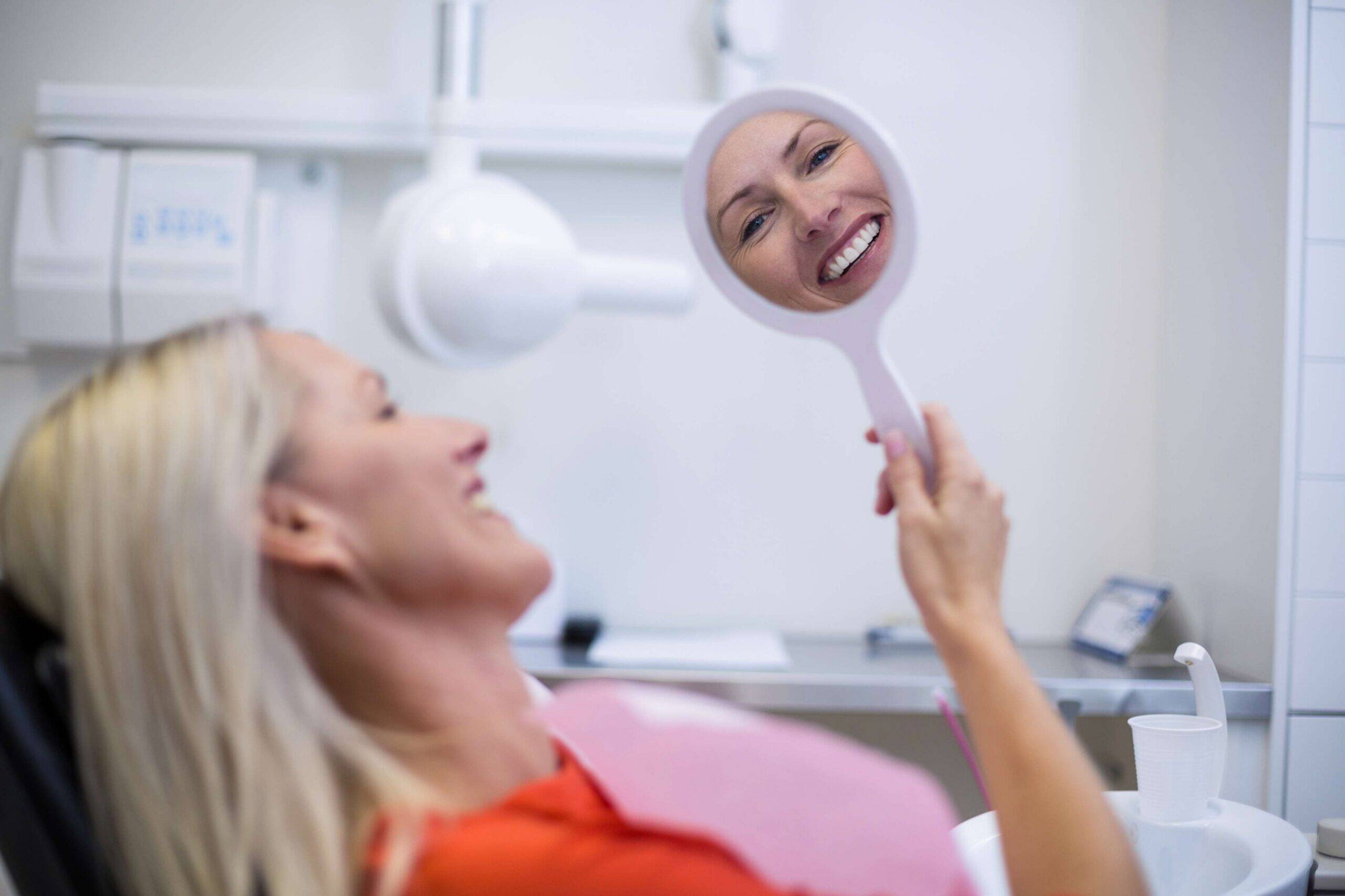
A dentist in Tomball, TX may help patients with dental exams, cleanings, cavity checks, gum health, tooth sensitivity, bite concerns, older restorations, tooth pain, and treatment planning. Routine visits can help identify small concerns before they become painful or more complex. Tomball patients may also use regular dental appointments to ask about missing teeth, cosmetic goals, home care habits, and long-term prevention based on their oral health history.
Dental care often works best when it is not only used during pain. A small cavity may not hurt yet. Gum bleeding may seem minor. A worn filling may still feel normal, even if it is beginning to weaken. These are the kinds of changes that can be found during routine visits.
Seeing a dentist Tomball, TX gives patients a chance to understand what is happening in the mouth before a concern becomes harder to treat. A regular visit may include cleaning, gum checks, cavity screening, bite review, and discussion of older dental work. For patients in Tomball and nearby Spring, steady dental care can make decisions feel less rushed and more connected to long-term health.
A Checkup Gives the Dentist a Full View
A dental checkup is not just a quick look at teeth. The dentist may review teeth, gums, bite, jaw movement, oral tissues, restorations, and any symptoms the patient mentions.
X-rays may be recommended based on risk, symptoms, and how long it has been since previous images. These images can help find concerns between teeth, under old restorations, or near tooth roots.
A checkup helps create a record. When visits happen regularly, the dentist can compare changes over time rather than starting from scratch for each visit.
Cleanings Help Control Buildup
Plaques can be removed at home by brushing and cleaning between teeth. Tartar is harder and usually needs professional removal.
Cleanings can help reduce buildup around teeth and gums. They also give the dental team a chance to notice areas where brushing or flossing may be difficult.
Patients with crowded teeth, bridges, implants, dry mouth, or gum concerns may need more specific cleaning guidance. Home care should match the patient’s mouth.
Gum Health Is Part of Whole-Mouth Health
Gum problems are not always painful. Some patients notice bleeding while brushing, bad breath, gum tenderness, or gum recession. Others may not notice changes until the dentist measures the gums.
Gums support the teeth and help protect the bone around them. If gum disease progresses, teeth may loosen, roots may become exposed, and treatment may become more involved.
At Springwoods Village Dental, routine visits may include gum evaluation and home care guidance, so patients understand how gum health connects with long-term tooth stability.
Cavities Can Hide Between Teeth
Cavities can form grooves, between teeth, near old fillings, or along the gumline. They may not cause pain until they are deeper.
A dentist for Tomball, TX may check for soft spots, dark areas, sensitivity, or X-ray changes. Finding decay earlier may allow for simpler treatment.
Patients with dry mouth, frequent snacking, soda habits, crowded teeth, or older restorations may have higher cavity risk. The prevention of advice should be based on these personal factors.
Old Fillings and Crowns Need Monitoring
Dental restorations can be worn over time. Fillings may crack, chip, leak, or pull away from tooth edges. Crowns may need to monitor bite changes, gum health, or decay near the margins.
Patients often assume that if a restoration does not hurt, it is fine. That is not always true. Small changes may be easier to manage when found early.
Routine dental visits help decide whether a restoration can be watched, repaired, or replaced.
Tooth Pain Should Be Explained, Not Guessed
Tooth pain can come from cavities, cracks, gum inflammation, grinding, bite pressure, sinus pressure, or exposed roots. The feeling alone does not always reveal the cause.
The dentist may ask what triggers the pain, how long it lasts, where it is felt, and whether it happens when biting. These details help guide the exam.
A tooth that hurts should be checked before the problem becomes more severe. Pain is a signal that deserves attention, even if it comes and goes.
Missing Teeth Should Be Discussed Early
If a tooth is missing, patients may adapt by chewing on the other side. Over time, nearby teeth may shift, and the bite may change.
Patients asking about dental implants in Tomball, TX may need an evaluation of bone support, gum health, medical history, and bite pressure. Other replacement options may also be discussed.
The best time to ask about replacement is before space causes more changes. Even if treatment is not chosen right away, understanding the options can help.
Cosmetic Questions Can Start at a Routine Visit
Some patients ask about tooth color, chipped edges, spacing, old restorations, or smile balance during a regular exam. These concerns may be cosmetic, but they still require an oral health review.
A patient interested in a cosmetic dentist in Spring, TX may need to know whether whitening, bonding, veneers, crowns, or another option fits the concern. Gum health, bite, enamel, and existing dental work can all affect the plan.
Cosmetic care should not be separated from dental health. A healthy foundation supports better planning.
What to Expect Before, During, and After a Visit
Before the appointment, note any symptoms or questions. This may include bleeding gums, sensitivity, jaw soreness, dry mouth, bad breath, food catching, loose restorations, or rough edges.
During the visit, the dentist may examine teeth, gums, oral tissues, bites, and restorations. Cleaning may be completed if scheduled. X-rays may be taken when needed.
After the visit, patients should know what looked healthy, what needs attention, and what can be watched. A clear plan helps patients decide the next step with less uncertainty.
How Prevention Changes with Age
Dental needs to change over time. Children may need help with brushing habits and cavity prevention. Teens may need monitoring for crowding or sports injuries. Adults may need gum care, restoration checks, or bite evaluation. Older adults may need dry mouth support or review of bridges, crowns, dentures, or implants.
A dentist at Tomball, TX can adjust recommendations based on age, medical history, and oral health changes. The same schedule or advice does not fit every person forever.
This is one reason regular visits matter. They allow care to shift as the patient’s needs change.
Daily Habits That Support Dental Health
Home care plays a major role in appointments. Brushing twice daily with fluoride toothpaste and cleaning between teeth can help reduce plaque and cavity risk.
Patients can also limit frequent sugary snacks and drinks, avoid chewing ice or hard objects, and rinse with water after acidic drinks.
If brushing or flossing is difficult, patients should say so. The dental team may suggest tools or techniques that are easier to use.
Benefits of Consistent Care
Routine care may help patients understand their oral health before a concern becomes urgent. It can also make treatment planning more organized.
Patients may benefit from:
- Earlier cavity detection
- Gum health monitoring
- Cleaner teeth and fresher breath
- Review of old restorations
- Bite and grinding checks
- Guidance for missing teeth
- Support for cosmetic questions
- Clearer prevention habits
- These benefits depend on the patient’s needs, home care, and follow-through.
Local Patient Review
“I came in for a regular visit and ended up getting answers about sensitivity and an older filling. The dentist explained what needed care and what could be monitored.”
A Practical Way to Keep Dental Decisions Clear
Routine dental care helps patients understand what is healthy, what is changing, and what may need attention soon. Patients in Tomball and Spring can visit Springwoods Village Dental for prevention, exams, cleanings, treatment planning, and practical guidance for long-term oral health.
Frequently Asked Questions
How often should most patients have dental visits?
Many patients visit every six months, but some need a different schedule. Gum health, cavity risk, medical history, and past treatment can affect timing.
Why do my gums bleed when I brush?
Bleeding may be linked to plaque, gum inflammation, brushing technique, or other factors. A dental exam can help find the cause.
Can cavities form without pain?
Yes. Early decay may not hurt. Exams and X-rays can help find problems before they become more uncomfortable.
Should old fillings be checked even if they feel fine?
Yes. Older restorations can be worn, cracked, or leaked without obvious symptoms. Regular checks help monitor their condition.
What should I tell the dentist during a visit?
Mention sensitivity, bleeding, dry mouth, jaw soreness, food trapping, rough edges, pain, or changes in your bite.
Can regular visits reduce urgent dental problems?
They may lower some risks by finding decay, gum problems, cracks, and worn restorations earlier. Not every sudden issue can be prevented.
Why are X-rays sometimes needed?
They help show areas not visible during a visual exam, such as between teeth, near roots, or under older restorations.
Can I ask about improving my smile at a checkup?
Yes. A routine visit can be a good time to ask about color, chips, spacing, old dental work, or other appearance concerns.